
Aston Packaging Solutions
ISO 9001:2015 Certified Company
Understanding the psychology of risk-taking in gambling environments
Understanding the psychology of risk-taking in gambling environments
The allure of risk in gambling
The thrill of risk-taking is a fundamental aspect of gambling, attracting players from all walks of life. This allure stems from the adrenaline rush associated with placing bets, which can stimulate the brain’s reward system. When individuals gamble, they often experience a surge of excitement that can lead to impulsive decision-making. To help enhance their experience with risk, many players turn to online slots real money, which can sometimes amplify this emotional high and overshadow logical reasoning, causing players to chase losses or make bets that exceed their budget.
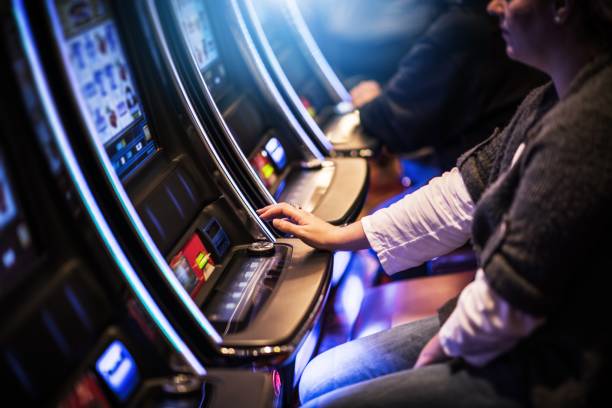
Moreover, the environment of a casino is designed to enhance this feeling of excitement. Bright lights, engaging sounds, and an atmosphere buzzing with anticipation create a sensory experience that can intensify the desire to take risks. Understanding how these environmental factors contribute to the psychology of risk-taking can help us appreciate why many individuals find gambling so irresistible.
Cognitive biases influencing gambling behavior
Cognitive biases play a significant role in shaping how gamblers perceive risk and reward. One prevalent bias is the illusion of control, where players believe they can influence the outcome of games that are purely based on chance. This false sense of control can lead to increased risk-taking, as gamblers feel empowered to make decisions that may not be based on sound judgment.
Another relevant cognitive bias is the gambler’s fallacy, where individuals assume that past events will affect future outcomes. For example, a player might believe that a slot machine is “due” for a win after a series of losses. This misconception can lead to continued betting, even when the odds remain unchanged. Recognizing these biases is crucial for understanding the complex psychology behind gambling behavior.
The role of emotions in gambling decisions
Emotions play a pivotal role in the decision-making processes of gamblers. Feelings of excitement, hope, and even despair can influence the choices individuals make while gambling. When players are on a winning streak, they may experience a euphoric high, which can lead them to take greater risks. Conversely, losing streaks can evoke frustration or despair, prompting players to increase their bets in an attempt to recover their losses.
Research indicates that emotional states can significantly impact a gambler’s ability to assess risk accurately. For instance, individuals who are feeling particularly anxious may become more risk-averse, avoiding high-stakes games altogether. On the other hand, those in a positive emotional state may be more willing to take risks, often leading to impulsive betting behavior that doesn’t align with their financial limits.
Social influences on gambling behavior
Social dynamics can heavily influence gambling habits, affecting an individual’s propensity to take risks. Group settings, such as those found in casinos, can create a sense of camaraderie that encourages risk-taking behavior. When people gamble in groups, they may feel more emboldened, believing that their friends will support their decisions or share in the excitement of potential wins.
Peer pressure can also play a significant role. Individuals might feel compelled to join in on high-stakes games or make larger bets to conform to group expectations. This social influence can lead to increased gambling activity, often resulting in behaviors that individuals might not engage in when gambling alone. Understanding the social dimensions of gambling can provide valuable insights into risk-taking behavior.
Exploring gambling responsibly through informed choices
As the understanding of the psychology behind risk-taking in gambling environments grows, so does the importance of responsible gambling practices. Educating individuals about the cognitive biases and emotional influences that affect their decision-making can empower them to make more informed choices. Recognizing the thrill of risk does not have to lead to negative consequences, and individuals can learn to balance enjoyment with caution.
Promoting awareness and offering resources for responsible gambling are essential steps in mitigating the risks associated with gambling. Individuals should seek out information and support systems that encourage self-control and understanding of their behaviors. By doing so, the gambling environment can become a space for entertainment rather than a source of financial distress.

